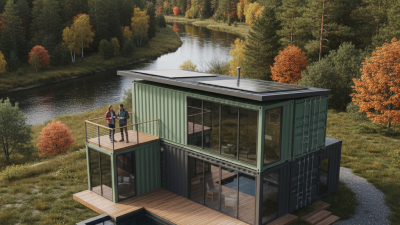
You know, as the construction world keeps changing, there's a clear buzz around folks wanting more sustainable and efficient ways to build stuff. According to reports from the Global Modular Construction Market, we're looking at roughly a 6.5% yearly growth. That’s pretty encouraging, really—it shows people are leaning more towards innovative housing options. One that’s been catching a lot of attention is the Prefab Container House. It’s actually a pretty practical alternative to traditional homes.
What’s cool about these Prefab Container homes? Well, they’re super sustainable and can save you a decent chunk of money. Plus, they can be put together way faster than conventional buildings. They often use recycled materials and take less energy to build. A study from McKinsey & Company even points out that going modular or prefab can cut overall project costs by up to 20%. But, of course, it’s not all smooth sailing; there are hurdles like zoning laws and how people see these structures that can slow things down.
Still, the potential for Prefab Container homes to shake up how we think about living spaces is pretty obvious. More and more companies are jumping on board, seeing how versatile these structures can be for different kinds of projects. From hotels to emergency shelters, these prefab setups are being used everywhere. As the trend keeps growing, jumping into prefab solutions might just be the key to building faster and smarter.
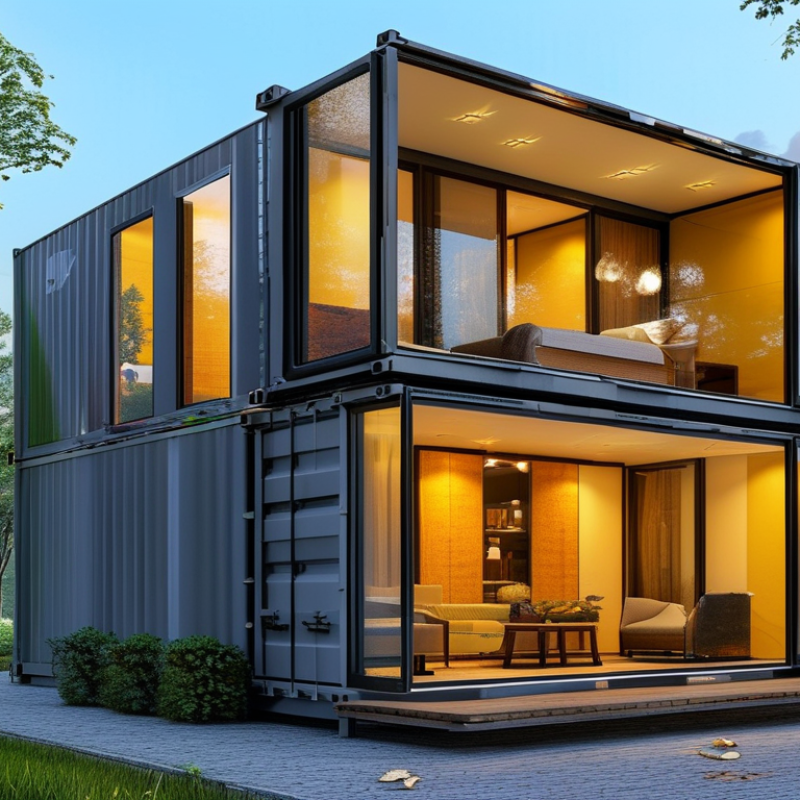
Benefits of Prefab Container Houses in Modern Construction
Prefab Container Houses are revolutionizing modern construction with their unique advantages. They provide a sustainable alternative to traditional building materials. These structures are often made from recycled shipping containers. Their design allows for energy efficiency and reduced waste, making them an attractive option for environmentally conscious projects.
When considering a Prefab Container home, think about customization options. Container homes are versatile and adaptable. They can be designed for various purposes, from homes to offices. Adding windows and insulation enhances comfort and efficiency. However, not all designs work in every environment. It's essential to consider local climate and building codes to avoid potential issues.
One practical aspect is the speed of construction. Prefab Container Houses can be assembled quickly, saving time and labor costs. This speed can be an advantage for projects with tight deadlines. However, careful planning is necessary to ensure the final product meets your expectations. Evaluate the layout and functionality of each design choice. A misstep here can lead to a less efficient use of space. It's important to reflect on how the chosen elements serve your needs within theContainer Home Prefab.
Understanding the Design Flexibility of Container Homes
Prefab Container Houses offer a remarkable level of design flexibility. Their modular structure allows for various configurations to suit different needs. Homeowners can customize layouts to create open spaces or distinct rooms. This adaptability is especially valuable for those with unique requirements.
Using container homes doesn't mean sacrificing aesthetics. Many find creative ways to enhance the exterior. Paint, landscaping, and additional materials can transform a container into a charming dwelling. Interior design options are equally varied. From industrial chic to modern minimalism, there are endless possibilities. However, one must consider insulation and utilities to ensure comfort year-round.
Yet, not every project will be perfect. Some may struggle with local regulations. Others might experience delays in customization. It’s crucial to research local building codes before diving in. Understanding these challenges is essential for a successful project. Embracing the imperfections can lead to innovative solutions. This journey can unveil unexpected creativity in design.
Benefits of Choosing Prefab Container Homes
Cost-Effectiveness: Analyzing Budget Savings with Prefab Containers
Building with Prefab Container houses presents an innovative and cost-effective solution for various projects. According to recent industry reports, using Prefab Containers can reduce construction costs by 30% to 50%. This is mainly due to decreased labor expenses and shortened construction time. Prefabrication allows components to be prepared off-site, which minimizes on-site work and significantly lowers labor costs.
In addition to labor savings, prefab container homes often require less time for inspection and permits. Researchers estimate that streamlined processes can shorten project timelines by up to 40%. Rapid building times mean faster occupancy and quicker returns on investments. However, not all projects may benefit equally from this approach. Site-specific conditions, zoning laws, and local building codes can affect potential savings. Evaluating these aspects is crucial for a precise budget analysis.
While prefab containers can lower costs, it's important to approach such projects with scrutiny. Quality can vary widely among manufacturers, which may lead to unexpected expenses. Clients should prioritize reputable suppliers with proven track records. Additionally, some designs might require retrofitting, which can negate financial benefits. Therefore, a thoughtful and informed decision is necessary to truly maximize savings and effectiveness in your next project.
Environmental Impact: Sustainable Building with Container Houses
Prefab container houses are becoming a popular choice for sustainable building projects. They offer an eco-friendly alternative to traditional construction methods. These structures utilize repurposed shipping containers, reducing the need for new materials. By opting for these homes, you help minimize waste and carbon footprint. Reusing containers means less energy consumption in manufacturing.
The style and design of container houses can be extremely versatile. They can be stacked, combined, or modified to fit your needs. This adaptability allows you to create unique living spaces while maintaining sustainability. Using minimal resources is key in achieving an environmentally friendly project. Consider incorporating green technologies like solar panels or rainwater harvesting systems for even greater impact.
To enhance sustainability, focus on local sourcing. Materials obtained nearby reduce transportation emissions. Additionally, involve eco-conscious contractors who prioritize sustainability during construction. Remember, every small decision matters. Embrace imperfections in your design process, as they can lead to innovative solutions. Reflect on your choices to ensure they align with your sustainability goals.
Speed of Construction: How Prefab Structures Save Time
Choosing a Prefab Container house can notably speed up construction timelines. According to reports from the Modular Building Institute, prefab structures can reduce construction time by 30% to 50%. This is largely due to the simultaneous construction of a building's components in factories while site preparations occur. Thus, project timelines shrink significantly.
Prefab container homes require less on-site labor, which is a major time-saver. A standard construction project may need numerous tradespeople. In contrast, prefab builds often consolidate roles. This can further increase efficiency. For example, instead of waiting for different contractors, the integrated approach streamlines the workflow.
However, prefab construction is not without challenges. Site readiness must align with factory timelines. Delays in site preparations can negate the time savings from the factory. Additionally, while these homes are built with speed in mind, ensuring quality can sometimes take a backseat. That's why choosing a reputable manufacturer is crucial. Building a solid foundation of trust is essential in this fast-paced sector.
Versatility of Use: From Homes to Offices with Container Houses
Container houses offer remarkable versatility for various uses. They can transform into comfortable homes, efficient offices, or even innovative retail spaces. Their modular design allows for easy relocations and adaptations. This flexibility meets the demands of modern living and working environments.
Homeowners often appreciate the unique aesthetic that container houses provide. They showcase a contemporary look with eco-friendly credentials. However, some may struggle with insulation and ventilation challenges. Proper planning is essential to ensure comfort in different climates. When seeking office spaces, Foldable Container Houses can be a practical solution. They create collaborative environments and can be modified for specific business needs.
Yet, there are considerations to keep in mind. Container houses require thorough site assessments for structural integrity. Unexpected issues may arise, such as local regulation restrictions. Engaging with experienced contractors can mitigate potential roadblocks. As more people embrace this innovative housing solution, the opportunities for creativity and practicality will continue to expand.
Why Choose Prefab Container House for Your Next Project?
| Feature | Residential Use | Commercial Use | Temporary Use |
| Mobility | ✔ | ✔ | ✔ |
| Cost-Effectiveness | ✔ | ✔ | ✔ |
| Eco-Friendliness | ✔ | ✔ | ✔ |
| Customizability | ✔ | ✔ | ✖ |
| Quick Assembly | ✔ | ✔ | ✔ |
| Durability | ✔ | ✔ | ✔ |
Addressing Safety and Durability in Container House Design
Prefab container houses are gaining traction in the construction industry due to their safety and durability. Designed with structural integrity in mind, these homes often exceed the requirements of traditional building codes. A report from the Container Shelter Institute highlights that container structures can withstand harsh weather conditions and protect occupants effectively. Compared to conventional housing, they demonstrate up to 75% better resistance against wind and seismic activity.
In terms of safety, using high-quality materials is crucial. Most prefab container houses utilize corten steel, which is recognized for its durability and rust resistance. This choice significantly enhances the lifespan of any structure. Some studies suggest maintaining a regular inspection routine can identify vulnerabilities early. Such proactive measures increase safety and prolong the life of the building.
For projects utilizing Expandable Container House designs, considering insulation materials can impact energy efficiency. Proper insulation prevents heat loss and reduces energy consumption. Additionally, using eco-friendly materials can reflect a builder's commitment to sustainability. Investing in these aspects improves the overall safety and durability of the container house. Always remember—the foundation also plays a key role; it should be stable and aligned to support the structure adequately.
FAQS
: Prefab structures can reduce construction time by 30% to 50%.
They require less on-site labor, which saves time significantly.
They consolidate roles, reducing the number of tradespeople needed on-site.
Delays in site preparations can offset the time saved from factory construction.
Speed can sometimes compromise quality, so a reputable manufacturer is essential.
They can be homes, offices, or retail spaces, adapting to various needs.
They provide a modern look and eco-friendly design, attracting many homeowners.
Proper insulation and ventilation are key for comfort in diverse climates.
Engaging experienced contractors can help navigate local regulations effectively.
Building trust with a manufacturer is vital in this fast-paced industry.
Conclusion
Prefab Container Houses are increasingly popular in modern construction due to their numerous benefits. These innovative structures offer exceptional design flexibility, allowing for creative customization to meet various needs. From budget savings to environmental sustainability, the cost-effectiveness of prefab containers can significantly enhance project efficiency while reducing the overall ecological footprint. Additionally, the speed of construction associated with prefab designs allows projects to be completed in a fraction of the time compared to traditional building methods.
The versatility of prefab container houses extends beyond residential use; they can be transformed into office spaces, studios, or even temporary shelters, adapting to diverse applications. Safety and durability are also key considerations, as these houses are engineered to withstand various environmental challenges. Overall, choosing a prefab container house for your next project not only streamlines the building process but also promotes a sustainable and adaptable approach to modern living.