Lately, Tiny Homes have really taken off in China. As cities get more crowded and space becomes scarce, a lot of folks are searching for alternative ways to live. I was reading about architect Michael Green, a big name in the Tiny Homes scene, who said, ‘The future of living is all about smart, compact design.’ Honestly, that perspective is fueling a lot of the cool, innovative tiny housing options popping up all over the country.
These Tiny Homes in China come in all sorts of styles, making the most of limited space while still being functional. Take, for example, theExpandable Tiny Homes — they’ve got clever layouts that let your home adapt as your needs change. Pretty neat, right? But, you know, not everyone is sold on the idea long-term, and there are folks who wonder if living tiny is really sustainable in the long run.
What makes these homes really appealing is their unique styles, smart use of space, and affordability. They’re a pretty solid solution for city dwellers trying to make it work in cramped urban areas. But, of course, there are still some hurdles to jump — like tackling sustainability issues and navigating zoning rules. The whole conversation about what the future of living looks like is still very much ongoing, and honestly, it’s a pretty exciting topic to dive into.
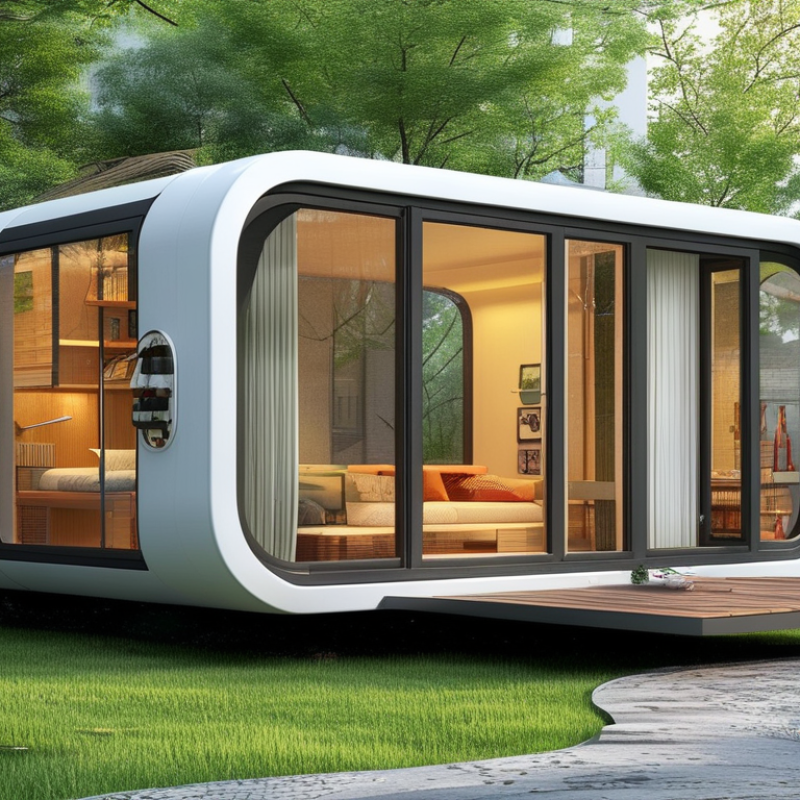
Top 10 Tiny Homes in China You Need to Know About
Tiny Homes are growing in popularity across China, offering innovative designs and sustainable living solutions. One notable trend is the rise ofManufactured Tiny Homes. These homes are prefabricated, allowing for quicker construction and less waste. They provide an affordable housing option without sacrificing style or comfort.
Many of these Tiny Homes are designed withmulti-functional spaces. For instance, a kitchen might double as a living area. This adaptability is crucial in cities where space is limited. However, not all homes meet everyone's needs. Some lack adequate storage, which can be a real challenge for families. Buyers often must compromise on luxury for practicality.
Venturing into the tiny home lifestyle can invite some unexpected difficulties. Zoning laws may pose hurdles in certain areas. Additionally, the downsizing process can be emotionally overwhelming. It prompts owners to reflect on their belongings and what truly matters. Embracing the tiny home movement can lead to a deeper understanding of minimalism, if one is willing to confront these challenges.
Overview of Tiny Homes in China
Tiny Homes in China have gained popularity in recent years. They offer a unique solution to urban living challenges. These homes are often eco-friendly and emphasize minimalism. Living in a tiny home can promote a simpler lifestyle, but it also poses difficulties. Space is limited, and storage can be a challenge.
Many Tiny Homes in China combinetraditional aestheticswith modern design. Some feature bamboo construction, which is both sustainable and beautiful. Tiny Homes often showcase ingenious use of space.Foldable furnitureand multi-functional areas are common. However, adjusting to such a Small Living area might be overwhelming for some.
Despite their charm, Tiny Homes require careful planning. Owners must prioritize what is truly necessary. This can lead to emotional attachments and tough choices. While tiny living promotes sustainability, it can also involve feelings ofconfinement. Embracing this lifestyle comes down to personal values and aspirations.
Criteria for Selecting the Best Tiny Homes
When exploring Tiny Homes in China, several criteria help in identifying the best options. First, space efficiency is crucial. A report from the China Urban Planning Society highlights that most successful Tiny Homes use innovative designs to maximize living space. This approach often includes multi-functional furniture and clever storage solutions, making small areas feel more spacious.
Sustainability is another important aspect. According to the Ministry of Housing and Urban-Rural Development, eco-friendly materials and energy-efficient systems are becoming standard in tiny home construction. Homes built with sustainable practices tend to have lower utility costs and a smaller carbon footprint, which appeals to many owners. However, balancing aesthetics and functionality can be a challenge. Some designs might prioritize looks over practicality, leading to less efficient layouts.
Location also plays a vital role in the appeal of tiny homes. Proximity to urban amenities yet maintaining a sense of tranquility is key for many buyers. A study by the Chinese Academy of Social Sciences notes that tiny homes in balanced locations often see a higher demand. However, finding this balance can result in trade-offs. The ideal site might be more costly, or the tiny home itself may sacrifice space for a desirable view.
Top 10 Tiny Homes in China: Features Comparison
This chart displays the size (in square meters) of the top 10 tiny homes in China. Each home offers unique features but varies significantly in size, reflecting the diverse options available in the tiny home market.
Spotlight on the Most Innovative Tiny Home Designs
Tiny homes in China are redefining living spaces. They offer innovative designs that make the most of limited areas. The focus is on combining comfort and functionality in a compact format.
Many of these homes use natural materials. Wood, bamboo, and glass create a warm atmosphere. Some designs feature folding furniture, maximizing floor space. Others include multifunctional zones, like a workspace that converts into a living area. This flexibility helps adapt to various lifestyles.
**Tip:** When considering a tiny home, prioritize your needs. Think about how you will use each space.
**Tip:** Incorporate outdoor elements. A small garden or balcony can add life to your living area.
Despite their advantages, tiny homes have downsides. Limited space can be a challenge for families. Storage becomes a creative endeavor. Therefore, reflecting on how you will cope with this can help in making an informed decision.
Modern Style Tiny Homes push boundaries. They encourage a minimalist approach, blending aesthetics and practicality. Each design offers something unique, catering to diverse tastes while promoting sustainability.
Exploring the Environmental Benefits of Tiny Living
Tiny living is gaining popularity in China. People are discovering its environmental benefits. Living in smaller spaces encourages a minimalistic lifestyle. This shift helps reduce waste and resource consumption. Tiny homes often use sustainable materials. They can be energy-efficient, reducing carbon footprints.
Tiny homes promote a connection with nature. Many are built in rural areas, surrounded by green landscapes. This allows for easier access to outdoor activities. However, there are challenges to consider. Limited space can lead to organization issues. Residents may feel cramped if not planned correctly. Additionally, not everyone is ready to downsize completely.
Eco-friendly tiny homes also face regulatory hurdles. Local laws can restrict their placement and design. Understanding these rules is crucial for potential builders. Despite setbacks, tiny living can significantly impact the planet. It inspires a shift towards conscious consumption. Embracing tiny living is about more than just shelters. It's a lifestyle that respects the Earth.
Top 10 Tiny Homes in China You Need to Know About - Exploring the Environmental Benefits of Tiny Living
| Rank | Tiny Home Type | Size (sq ft) | Location | Environmental Benefits | Price Range (CNY) |
| 1 | Container Home | 160 | Beijing | Recycling materials, lower energy use | 150,000 - 200,000 |
| 2 | Wooden Cabin | 250 | Yunnan | Sustainable materials, natural insulation | 200,000 - 300,000 |
| 3 | Earth-Sheltered Home | 350 | Xi'an | Energy efficiency, natural climate control | 300,000 - 400,000 |
| 4 | Mobile Home | 200 | Guangzhou | Flexibility, lower land use | 120,000 - 180,000 |
| 5 | Log Home | 220 | Zhejiang | Biodegradable materials, less maintenance | 250,000 - 350,000 |
| 6 | Minimalist Home | 180 | Shanghai | Reduced consumption, compact design | 100,000 - 150,000 |
| 7 | Eco-Friendly Pod | 150 | Sichuan | Solar-powered, rainwater harvesting | 130,000 - 200,000 |
| 8 | Prefab House | 300 | Hunan | Fast construction, efficient land use | 250,000 - 400,000 |
| 9 | Tiny Treehouse | 120 | Fujian | Natural integration, reduced footprint | 80,000 - 120,000 |
| 10 | Stone Cottage | 280 | Tibet | Thermal mass, local materials | 400,000 - 500,000 |
Tiny Home Communities: Trends and Popular Locations
Tiny home communities are gaining momentum in China. As urbanization continues, many people seek alternatives to conventional living. According to a report by the China Urban Planning Society, tiny homes are gaining popularity among millennials, with over 30% expressing interest in downsizing.
In cities like Beijing and Shanghai, Tiny House Prefab Homes are emerging as viable options. These homes utilize innovative designs, focusing on maximizing space efficiency. Communities often feature shared amenities like gardens and social areas. This promotes a sense of belonging, largely absent in traditional housing. Yet, some residents find adapting to smaller living spaces challenging. It may require significant lifestyle adjustments.
Locations in rural areas are also seeing growth in tiny home communities. They offer an escape from urban chaos. However, infrastructure remains a concern. Limited access to public services is an ongoing issue in these regions. Despite this, many builders are exploring sustainable practices to address these challenges. The tiny home trend inspires reflection on how we define comfort and community.
Future of Tiny Homes in China's Urban Landscape
The future of tiny homes in China's urban landscape is promising yet challenging. As urbanization accelerates, cities face housing shortages. Tiny homes, particularly Prefabricated Tiny Homes, present a potential solution. According to a report by the International Federation of Housing and Planning, urban populations in China are expected to reach 1 billion by 2030. This poses an urgent need for innovative living solutions.
Prefabricated tiny homes offer efficient space utilization. They can be constructed quickly, reducing costs and labor. This model aligns with the growing demand for affordable housing. However, many tiny homes still lack proper zoning and regulation. Residents often face difficulties in legalizing their homes. There is a need for clearer policies to support this growing trend.
Moreover, public perception plays a significant role in the adoption of tiny homes. While some see them as a minimalist lifestyle, others associate them with poverty. Education about the benefits of prefabricated tiny homes is crucial. Highlighting their environmental advantages may shift public opinion. This conversation needs to evolve as cities continue to expand and housing becomes increasingly critical.
FAQS
: Tiny homes are small, efficient living spaces designed for sustainable living. They often feature innovative designs.
They offer affordable housing solutions and adaptable spaces. Many people appreciate their sustainability and minimalism.
Downsizing can be emotionally tough. Storage space can be limited, making it hard for families to fit everything.
They often include shared amenities like gardens. This fosters a sense of community among residents.
Yes, they maximize space efficiency, especially in crowded cities. However, some find the smaller size challenging.
Residents may need to reduce belongings and adapt to cozier living spaces. This can require significant changes.
Yes, zoning laws can create challenges in certain areas, limiting where tiny homes can be placed.
They provide an escape from urban life but face infrastructure concerns, like limited access to public services.
Embracing tiny living encourages reflection on personal belongings and what truly matters in life.
Yes, many tiny homes combine comfort and style, despite their small size. Yet, some may need to compromise on luxury.
Conclusion
Tiny homes have gained significant popularity in China, offering an innovative solution to urban living challenges. These compact dwellings not only maximize space but also promote a sustainable lifestyle, making them an attractive option for city dwellers. This article highlights the top 10 tiny homes in China, emphasizing their unique designs and features that cater to diverse lifestyles.
In addition to showcasing remarkable tiny home designs, the article discusses the environmental benefits associated with tiny living, including reduced energy consumption and minimal living footprints. It also explores emerging trends in tiny home communities, which are growing in popularity across various urban locations. With the increasing focus on sustainable living, tiny homes are poised to play a crucial role in shaping the future of China's urban landscape, providing innovative and eco-friendly residential solutions.