Leave Your Message
0%

Hey, in today’s world where everyone’s talking about sustainability, Micro Houses are actually turning out to be pretty awesome for eco-friendly living. You know, these tiny homes really challenge the way we think about space and luxury. Instead of big, fancy houses, they focus on simplicity and efficiency — and honestly, they help reduce our environmental impact while still feeling cozy. There are quite a few trailblazing companies, like *Tiny House Nation*, that are really showing what’s possible with these small homes.

You’ll find all kinds of designs, from sleek modern looks to charming rustic vibes. Each one offers a different take on sustainable living, and exploring them feels like uncovering creative architectural hacks that also promote a more mindful way of consuming. It’s worth thinking about some of the challenges too—like the limited space and the need to really prioritize what’s essential.

Micro Houses aren’t just about saving money or space; they’re a whole mindset shift towards living on purpose. Jump into this tiny lifestyle, and you might just start to see space and material possessions in a whole new light — it’s kind of eye-opening. Who knew that living small could lead to such big reflections on what really matters?
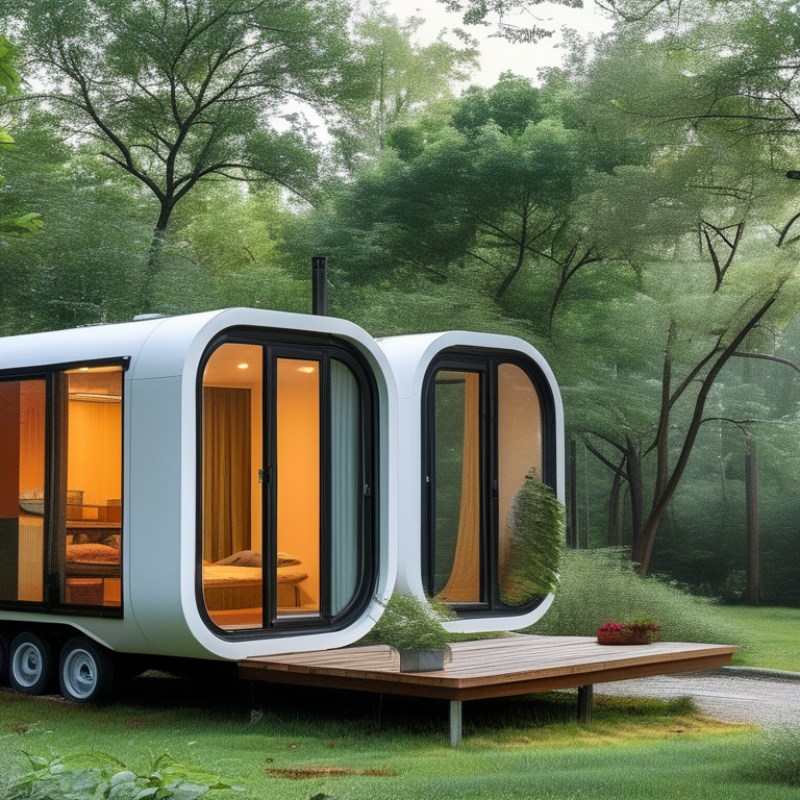
Top 10 Micro Houses You Must Explore for Sustainable Living?

The Rise of Micro Houses: A Sustainable Living Solution

The rise of Micro Houses represents a significant shift toward sustainable living solutions. These compact dwellings often feature innovative designs that maximize space. They challenge traditional notions of home, encouraging a simpler lifestyle. Many Micro Houses utilize sustainable materials, reducing their carbon footprint.

Inside, you'll find multifunctional furniture that adapts to daily needs. For instance, a table can transform into a work desk or a guest bed. Kitchens may be small, yet they are designed to be efficient. Large windows invite natural light, creating an illusion of spaciousness.

However, living in a micro house can be difficult. It requires downsizing and rethinking belongings. Not everyone is ready to embrace such a minimalist lifestyle. People might feel claustrophobic or struggle with storage. Nonetheless, micro homes offer a glimpse into Different Style Houses that contribute to sustainable living and inspire future housing trends.

Key Features of Micro Houses: Design Innovations and Efficiency

Micro Houses are redefining sustainable living. These compact structures emphasize efficiency and innovation. According to a report by the National Association of Home Builders, nearly 80% of buyers consider energy efficiency vital when selecting a home. Micro Houses meet this demand by utilizing eco-friendly materials and smart design techniques.

Design innovations like multifunctional furniture maximize space. Many micro homes feature foldable tables and expandable sofas. This creates flexibility and functionality in limited square footage. A study by the American Council for an Energy-Efficient Economy found that homes under 500 square feet use 35% less energy than conventional homes. This statistic highlights an essential aspect of micro living: sustainability.

Despite these benefits, challenges exist. Zoning laws may restrict where Micro Houses can be built. Many local governments have outdated regulations. Additionally, residents may struggle with limited privacy and storage. These considerations prompt reflection on the true feasibility of micro living. Balancing simplicity with personal needs remains a topic worthy of discussion.

Sustainability Metrics: Environmental Impact of Micro Housing

Micro housing has gained significant attention due to its potential for sustainable living. These homes often use fewer resources, resulting in a smaller environmental footprint. According to a report by the National Association of Home Builders, A Tiny House can use up to 80% less energy than a traditional home. This efficiency translates into reduced carbon emissions and promotes eco-friendly living.

Sustainability metrics reveal that Micro Houses typically require fewer materials to build. A study by the U.S. Department of Energy showed thatTiny Houses And Cabins can often be constructed with salvaged materials. This practice not only conserves resources but also minimizes waste. Despite these benefits, challenges linger. Limited space can limit storage options, requiring users to rethink their lifestyle and possessions. Living in a tiny space forces a minimalist approach, which can be difficult for some individuals.

Water conservation is another aspect where micro housing shines. Smaller homes often incorporate rainwater harvesting and efficient plumbing systems. These features reduce water usage and impact on local ecosystems. Still, it is crucial to address zoning regulations that may hinder the development of micro housing. Local laws can create barriers, preventing communities from fully embracing sustainable living through these innovative designs.

Cost Analysis: Affordability and Financial Benefits of Micro Houses

Micro Houses offer a unique approach to sustainable living, and their affordability is a major draw. Many people find that downsizing leads to substantial cost savings. A smaller footprint often translates to lower utility bills. This makes Micro Houses appealing not just for environmental reasons, but also for financial benefits.

However, Tiny Houses Construction comes with its own set of challenges. While the initial investment may seem low, costs can quickly add up. Custom designs, eco-friendly materials, and permits are factors that can escalate your budget. It’s important to plan thoroughly. Overspending in one area can lead to compromising others, such as quality or comfort.

Living in a micro house also prompts reflection on what truly matters. Minimalism encourages you to discard items that no longer serve you. However, the transition can feel overwhelming. Learning to adapt to limited space requires creativity. Balancing comfort with sustainability calls for careful thought. This journey can be both fulfilling and complex.

Space Optimization: Maximizing Functionality in Minimal Footprints

Micro houses offer a unique solution for sustainable living through space optimization. These small homes challenge conventional designs, maximizing functionality while minimizing waste. Explore layouts that prioritize multi-use furniture and adaptable spaces. Every inch matters in these compact designs, so consider how often you use each area.

Tips: Use foldable furniture to save space. Collapsible tables and chairs can provide flexibility in your home. Don’t forget about vertical storage solutions. Shelves and hooks can keep your living area organized without consuming floor space.

Incorporating natural light can enhance the feeling of openness. Large windows or skylights can make a tiny space feel more inviting. However, you should also consider privacy. Finding the right balance between light and seclusion is essential. Reflect on how each choice affects your lifestyle. Choose materials that not only look good but also have a low environmental impact. Sustainable living isn't just about being small; it’s about being smart with your resources.

Top 10 Micro Houses for Sustainable Living

Community Trends: Popularity and Demographics of Micro Living

Micro living has become increasingly popular among diverse demographics. According to a report from the Tiny House Community, around 68% of micro home residents are aged between 25 and 40. This trend is closely linked to the desire for sustainable living. Many individuals seek to reduce their environmental footprint, and Small Houses Prefabricated from recycled materials offer an attractive solution. They minimize energy consumption, with many models featuring solar panels and rainwater harvesting systems.

However, living in micro homes isn’t without challenges. Space constraints can limit family size and personal belongings. About 34% of micro home owners report feeling cramped at times, especially during social gatherings. Furthermore, local zoning laws can complicate the process of setting up tiny homes. Many areas still have regulations that favor larger dwellings. This regulatory landscape can hinder the growth of the micro living movement, frustrating potential residents who wish to join a community dedicated to sustainable living.

Despite these obstacles, the allure of affordable, minimalist living continues to draw people in. The average cost of a micro home is around $23,000, which is significantly lower than traditional housing. Additional reports suggest that 79% of micro living enthusiasts believe these homes foster a connection with nature. As awareness of eco-friendly practices grows, the micro living trend may evolve, adapting to both societal needs and environmental concerns.

Future Outlook: The Role of Micro Houses in Urban Development

Urban areas face challenges like overcrowding and resource depletion. Micro houses present a viable solution. These compact homes occupy less space and use fewer materials. They promote a minimalist lifestyle, encouraging residents to reflect on their consumption habits. By reducing square footage, families can significantly lower their ecological footprint.

The integration of micro houses in city planning could reshape urban landscapes. Local governments can use vacant lots for micro housing projects. This approach addresses homelessness while maximizing land usage. However, challenges remain. Zoning laws may not support such developments, and community resistance is common. Educating citizens about the benefits is essential for acceptance.

As cities grow, the need for more livable space increases. Micro houses show promise for sustainable urban living. They provide affordable options without compromising quality of life. Still, it’s crucial to consider the social implications. Creating vibrant communities requires more than just housing. Integrating parks, shops, and services is vital for true sustainability.

Top 10 Micro Houses You Must Explore for Sustainable Living

Micro House Name Size (sq ft) Location Key Features Sustainable Technologies
EcoPod 300 Oregon, USA Off-grid, modular Solar panels, rainwater harvesting
Tiny Timber 200 Colorado, USA Natural materials, energy-efficient Thermal insulation, composting toilet
The Nest 250 California, USA Smart home features Smart thermostats, solar water heating
Green Cube 400 Germany Compact living, multifunctional Wind turbines, green roof
Mobile Home 350 New Zealand Transportable, minimalistic Thermal mass, reclaimed materials
Cube House 280 Japan Innovative design, open spaces Geothermal heating, passive cooling
Harmonious Home 320 Canada Biophilic design Water-efficient fixtures, LED lighting
Sustainable Shack 220 Sweden Self-sufficient, cozy Biomass heating, greywater recycling
EcoSphere 260 Australia Circular design, outdoor integration Solar energy system, permaculture garden
Nature Nook 240 Finland Natural light, eco-friendly materials Solar PV panels, water filtration system

FAQS

: What are micro houses?

: Micro houses are compact dwellings designed for sustainable living. They prioritize space efficiency and innovative design.

How do micro houses promote sustainability?

They use eco-friendly materials and smart designs to reduce energy consumption. This lowers the overall carbon footprint.

What are some key features of micro houses?

Key features include multifunctional furniture, efficient kitchens, and large windows for natural light. They maximize limited space efficiently.

Who is most likely to live in a micro house?

Approximately 68% of micro home residents are aged 25 to 40. They often seek a minimalist, sustainable lifestyle.

What challenges do micro homeowners face?

Space constraints may limit belongings. Residents often struggle with storage and privacy issues. Feelings of crowding can occur.

Are there legal obstacles to living in micro houses?

Yes, zoning laws can restrict where micro houses can be built. Many local regulations favor larger homes, complicating setups.

How much does a micro home cost on average?

The average cost of a micro home is around $23,000. This makes it a more affordable option compared to traditional housing.

How do micro houses change traditional living concepts?

They encourage a simpler lifestyle, challenging conventional notions of home. However, not everyone is ready for this shift.

Can micro living foster a connection with nature?

Yes, many micro living enthusiasts believe these homes enhance their connection with nature. This is due to eco-friendly designs.

What might be important for someone considering micro living?

Reflect on personal needs and belongings. The minimalist lifestyle may not suit everyone, and adjustments can be challenging.

Conclusion

Micro Houses are gaining popularity as a sustainable living solution in response to increasing urbanization and environmental concerns. These compact dwellings feature innovative designs and efficient use of space, allowing residents to maximize functionality while minimizing their ecological footprint. With sustainability metrics indicating a reduced environmental impact compared to traditional homes, Micro Houses are not only an eco-friendly choice but also offer financial benefits through lower construction and maintenance costs.

As the trend of micro living continues to grow, it attracts a diverse demographic seeking an affordable and simplistic lifestyle. The future outlook for Micro Houses suggests that they will play a significant role in urban development, providing creative housing solutions that address the challenges of space and sustainability in densely populated areas.

Liam

Liam

Liam is a seasoned marketing professional at Liansheng Assembly, an industrial and trading enterprise with over a decade of rich experience in the industry. He possesses an exceptional level of expertise in the company’s diverse range of products, making him a valuable asset in conveying......
Previous Top Container Home Prefab Ideas for Sustainable Living?