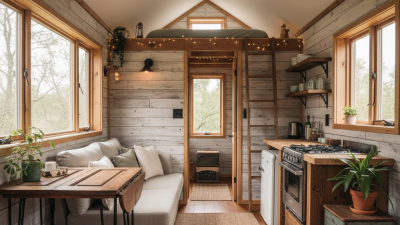
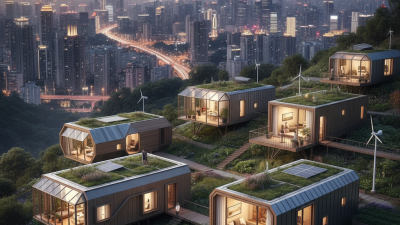
Nowadays, as more folks are leaning toward sustainable living, Tiny Cabins are really catching on around the world. I read a recent report from the Tiny Housing Association, and it turns out the tiny cabin market is expected to grow by around 20% each year—that’s pretty impressive! It seems like people are shifting towards minimalist lifestyles and wanting more eco-friendly places to call home. Dr. Jane Foster, who’s pretty much a big deal in the tiny house scene, put it nicely when she said, “Tiny Cabins aren’t just a trend; they’re actually a sign of a bigger change in how we view our living spaces.”
In places like China, the craze for Tiny Cabins is also picking up steam among international investors. These little structures are more than just cute—they’re functional AND charming, often set against some truly stunning landscapes. Each one seems to tell its own story with its design. That said, jumping into this market isn’t always smooth sailing. Buyers often run into hurdles like local rules and differences in construction standards, which can be a real pain.
With so many options out there, it’s really important for global buyers to be careful. Doing your homework before investing is key—these aren’t just any properties, they’re a lifestyle choice that deserves some serious thought. It can be a rewarding adventure, but it definitely isn’t always straightforward. After all, a tiny cabin isn’t just a house—it’s a statement about what kind of life you’re looking for, so approach it with caution and an open mind.
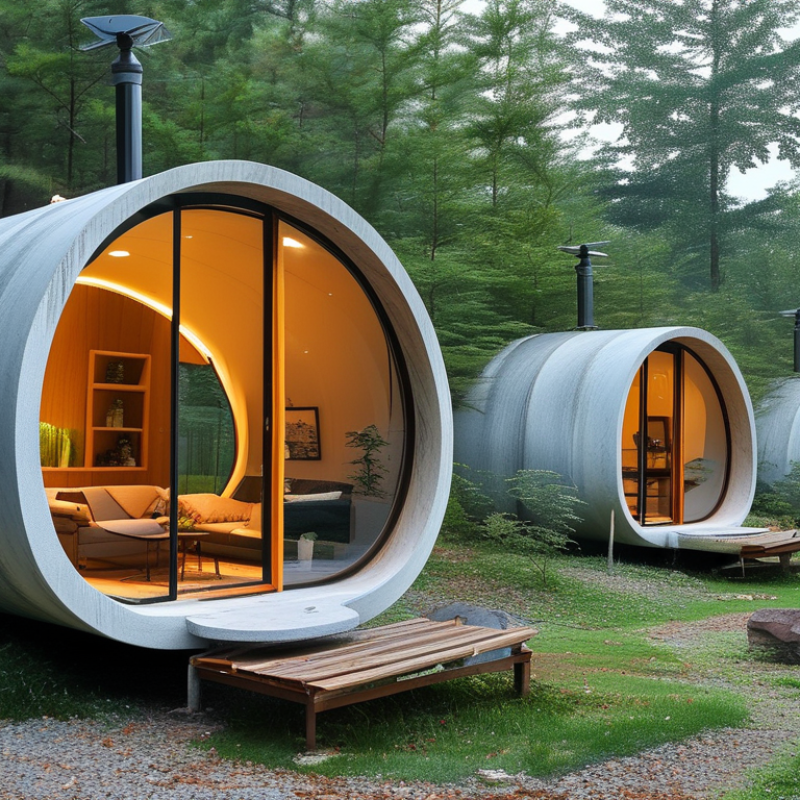
Overview of Tiny Cabins in China for Global Buyers
The trend of Tiny Homes And Cabinsis gaining traction in China, offering unique opportunities for global buyers. As urban areas become increasingly congested, many are seeking compact and efficient living solutions. According to a recent report by the China Academy of Housing and Urban-Rural Development, the demand for Tiny Homes And Cabins has increased by 40% over the past three years. This shift reflects a growing interest in minimalist lifestyles and sustainable living.
Tiny Cabins in China typically range from 10 to 50 square meters. They often utilize eco-friendly materials and smart design to maximize functionality. Features like multi-purpose furniture and energy-efficient systems are common. In rural areas, these cabins also serve as vacation rentals, attracting tourists eager for a unique experience. However, prospective buyers should be cautious. The regulatory landscape for tiny homes is still developing. Local zoning laws may pose challenges in certain regions.
Many buyers may underestimate the costs associated with installing utilities or obtaining permits. Ignoring these factors can lead to complications during the purchasing process. Moreover, while Tiny Homes And Cabins provide downsizing benefits, potential buyers must reflect on their long-term lifestyle. Will such a compact space meet their evolving needs? Ultimately, the tiny cabin movement in China is both promising and complex, necessitating careful consideration from global buyers.
Historical Development of Tiny Cabins in Chinese Architecture
Tiny Cabins in China are both a modern trend and a historical reflection. The concept of compact living has deep roots in Chinese architecture. Traditional Chinese homes, such as those in the ancient Huizhou style, often used limited space and multifunctional furniture to maximize utility. This historical context shows how space-saving designs were not only practical but also culturally significant.
Recent reports indicate that the tiny home market in China has been growing at an impressive rate. A study by the China Home Innovation Institute noted a 15% increase in interest towards tiny living solutions in urban areas. These cabins often feature sustainable materials and minimalist designs. Yet, there are challenges. Urban areas struggle with zoning laws that can restrict tiny cabin developments. Buyers may find it difficult to navigate regulations, which can vary significantly from region to region.
The aesthetics of Tiny Cabins also reflect ecological concerns. Many designs integrate green technologies, such as solar energy and rainwater harvesting systems. However, the execution is not always perfect. Some structures overlook local climate adaptations, leading to energy inefficiencies. Thishighlights the need for thorough research and reflection when exploring these modern architectural solutions in China.
Key Features and Designs of China's Tiny Cabins
Tiny Cabins in China are gaining attention for their innovative designs and efficient use of space. These structures often measure under 200 square feet. Many feature multifunctional spaces that adapt to various activities. For instance, a bed can transform into a sofa. This versatility appeals to urban dwellers seeking simplicity.
Recent studies indicate that the tiny cabin market in China is growing at a rate of 15% annually. This shift aligns with a global trend towards minimalism and sustainable living. Tiny cabins are often made from eco-friendly materials like bamboo and reclaimed wood. These choices not only reduce environmental impact but also offer an aesthetic that blends with nature.
However, challenges exist. Many tiny cabins lack adequate insulation. This can lead to higher energy costs in extreme climates. Additionally, local regulations can restrict where these units can be placed. Buyers must navigate zoning laws carefully. Despite these issues, the allure of tiny cabins continues to rise, attracting interest from a global audience.
Top Geographic Locations for Tiny Cabins in China
China has become a popular destination for tiny cabin enthusiasts. The rise of Prefab Tiny Cabins reflects a shift in living preferences. Many seek a minimalist lifestyle, driven by rising urban costs and environmental concerns. Industry reports indicate that the market for small living spaces is growing at a rate of 20% annually. This trend is appealing to both local and global buyers.
Geographic location plays a crucial role in the appeal of tiny cabins in China. Regions like Yunnan and Sichuan offer stunning natural landscapes. These areas provide tranquility and inspiration for cabin residents. Moreover, the affordability of land in these rural regions makes them ideal for investment. Mountainous locations often feature cabins with views that enhance outdoor living experiences. The demand for tiny cabins near nature parks has surged, according to real estate studies.
However, not all locations are equally developed. Accessibility can be a concern in remote areas. Infrastructure may not support high occupancy, leading to challenges for cabin owners. Buyers must weigh these factors when choosing their perfect spot. The growth of tiny living in China is exciting, but potential homeowners need to do thorough research. Balancing dreams of serene living with practical realities is essential for future success.
Top 10 Tiny Cabins in China for Global Buyers
Investment Opportunities in China's Tiny Cabin Market
The tiny cabin market in China is growing rapidly. These structures attract both domestic and international buyers. Their appeal lies in affordability, sustainability, and versatility. Tiny cabins serve various purposes as vacation homes, guest accommodations, or even permanent residences.
Investors see great potential in this sector. The demand for eco-friendly housing options is rising. Tiny cabins require fewer resources to build and maintain. A compact design often leads to lower operational costs. However, the market is not without challenges. Regulations on land use can vary widely across regions. Buyers must navigate local laws carefully. Research is essential to avoid costly pitfalls.
Many investors also explore innovative design trends. Unique features, like solar panels and smart home technology, enhance value. Yet, some cabins may not meet durability standards. It's crucial to assess quality before making a purchase. Overall, investing in tiny cabins in China presents opportunities mixed with risk.
Environmental Impact and Sustainability of Tiny Cabins
Tiny cabins have become popular among global buyers for their unique design and minimal environmental footprint. Sustainability is at the heart of these homes. They often use eco-friendly materials and energy-efficient appliances. This reduces living costs while being gentler on the planet. However, building these tiny cabins can still have environmental impacts. It's crucial for builders to consider sourcing materials responsibly.
Tips: When looking for a tiny cabin, focus on designs that incorporate renewable resources. Pay attention to insulation, as it directly affects energy use. Many cabins now feature solar panels. This makes them more self-sufficient. Remember, the location also matters, so choose wisely to minimize transportation emissions.
Expandable Tiny Homes offer yet another sustainable option. They can adapt to changing needs, further emphasizing resource efficiency. However, not all designs fully utilize space or energy potential. Buyers should research carefully. A well-structured tiny cabin can lead to a sustainable lifestyle. Reflect on your needs before purchasing to ensure long-term satisfaction and reduced environmental impact.
Cultural Significance of Tiny Living in Modern China
Tiny living in modern China reflects a growing cultural shift. As urban centers expand, more people consider downsizing their spaces. This trend showcases simplicity and sustainability. People seek to reconnect with nature and themselves. Tiny cabins symbolize a departure from consumerism. They're often nestled in serene landscapes, offering solace from bustling cities.
Tips for exploring tiny living:
- Embrace minimalism.
- Start with decluttering your home.
- Focus on essentials and foster a sense of peace.
- Engaging with nature is crucial. Spend weekends in small cabins or nature retreats. This can inspire your own tiny living journey.
Tiny cabins provide unique experiences. They often incorporate traditional architecture, reflecting local culture. However, not all cabins are built equally.
Quality varies widely, so research is essential. Some might lack basic amenities or have hidden costs.
Careful consideration is necessary before purchasing or renting a cabin.
FAQS
: Tiny cabins offer a minimalist lifestyle. They are affordable and provide tranquility in nature.
Yunnan and Sichuan are popular for their natural beauty and peaceful environments.
Accessibility is often a concern. Remote areas may lack proper infrastructure for high occupancy.
Research is crucial. Balance the desire for serenity with practical realities like accessibility and services.
Yes, they often use eco-friendly materials and energy-efficient appliances to reduce their environmental footprint.
Look for renewable resources, good insulation, and solar panels to increase self-sufficiency.
The market for tiny living spaces is growing at a rate of 20% annually.
Not all designs fully utilize space or energy. Buyers should research to ensure an effective design.
Builders should source materials responsibly to minimize environmental impacts during construction.
Reflect on personal needs and conduct thorough research to ensure long-term satisfaction.
Conclusion
The article "Top 10 Tiny Cabins in China for Global Buyers to Explore" delves into the emerging trend of tiny cabins in China, showcasing their appeal for global buyers. It traces the historical development of tiny cabins within Chinese architecture, highlighting how traditional designs have evolved to meet modern needs without compromising aesthetics or functionality. Key features such as space efficiency and innovative designs are discussed, alongside the prime geographic locations where these cabins can be found, offering potential investment opportunities for buyers interested in sustainable living.
Moreover, the article emphasizes the environmental impact and sustainability of tiny cabins, illustrating how they align with contemporary values of minimalism and eco-friendliness. It also explores the cultural significance of tiny living in modern China, reflecting a shift in lifestyle preferences as urbanization continues to shape society. Overall, tiny cabins represent a unique intersection of tradition, innovation, and sustainability, making them an attractive option for both domestic and international markets.