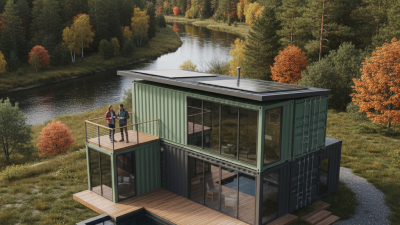
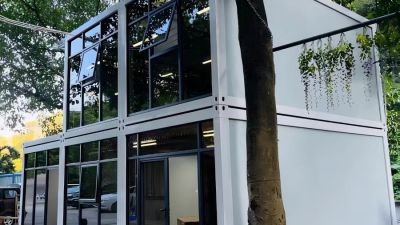
Container homes are really shaking up how we think about sustainable living. Take Steve Smith, for example—he’s the CEO of EcoFlex Homes, and he’s all about how Container Home Prefab solutions can be both eco-friendly and stylish. It’s kind of like blending sleek modern design with making a positive impact on the environment.
The idea behind Container Home Prefab is pretty innovative and practical at the same time. These homes often make use of recycled materials, which helps cut down on waste and lowers carbon footprints. As more folks get interested, of course, the demand for quality increases too. But not all prefab homes on the market are up to snuff—that can be a bit worrying when it comes to things like durability and how they look.
Building with shipping containers isn’t exactly a walk in the park either; there are some hurdles, especially when it comes to insulation and ensuring the structure is solid. People still have questions about whether these homes can truly stand the test of time. The industry really needs to be upfront about addressing these concerns. Overall, Container Home Prefab has tons of potential—it’s just a matter of approaching it carefully. Living sustainably sounds awesome, but it only really works if the solutions we choose are reliable and actually do the job.
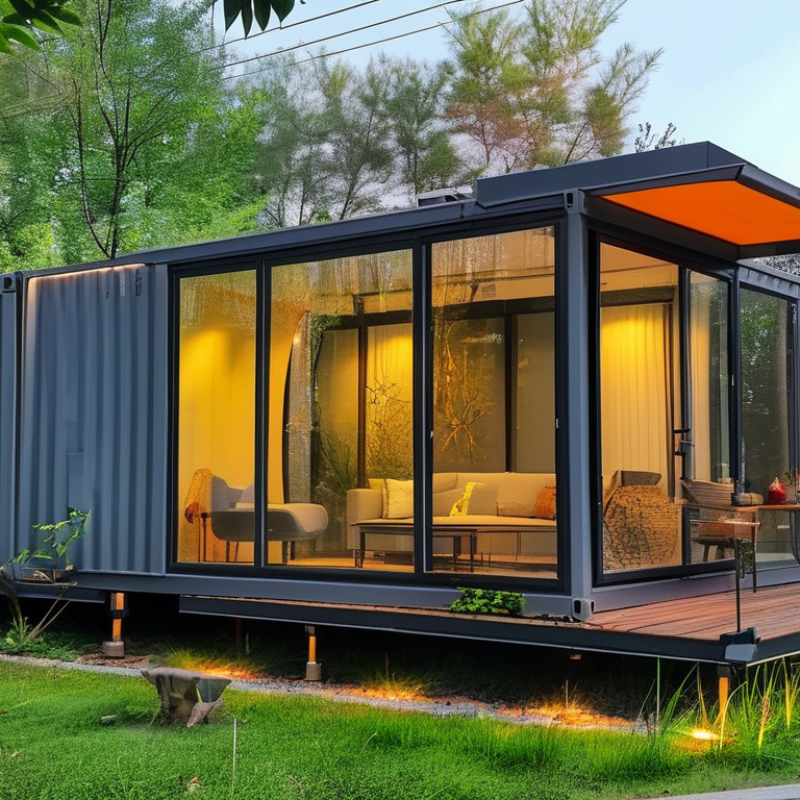
Essential Benefits of Container Homes for Sustainable Living
Container homes are gaining traction as a sustainable living option. The Prefab Container House design is a prime example of this trend. These homes are made from repurposed shipping containers, which significantly reduces waste. By utilizing materials that would otherwise end up in landfills, these homes promote eco-friendly practices. They often require fewer resources to build, leading to a smaller carbon footprint.
Cost is a notable advantage of container homes. They can be more affordable than traditional houses. However, potential homeowners should consider the initial investment and long-term costs. While they are cheaper upfront, additional expenses like insulation and plumbing can add up. Furthermore, the size and layout may not suit everyone's lifestyle.
Durability is another appealing factor. Shipping containers are designed to withstand tough conditions. This makes them sturdy options for diverse climates. However, it's crucial to reflect on the livability of such spaces. While they may seem attractive, the limited space requires smart design choices. Balancing aesthetics with functionality can be challenging. Overall, the Prefab Container House offers unique opportunities for sustainable living, but careful consideration is essential.
Key Design Features of Prefabricated Container Homes
Prefab Container homes are gaining popularity as an eco-friendly housing solution. These homes use recycled shipping containers, reducing waste and carbon footprint. A report from the World Economic Forum indicates that buildings account for nearly 40% of global carbon emissions. Prefabricated container homes can significantly mitigate this environmental impact.
Key design features enhance the appeal of Prefab Container homes. They often include energy-efficient insulation and solar panels. These elements ensure lower energy costs and a smaller environmental footprint. Many designs incorporate large windows, allowing natural light to flood in. This makes the space feel larger and more inviting. Some designs even feature green roofs, promoting biodiversity and improving air quality.
Tips for designing a Prefab Container home include maximizing space efficiency. Multi-functional furniture is crucial in smaller homes. Consider using reclaimed materials for interior elements to stay sustainable. Reflect on the relationship between the indoor and outdoor space to foster a sense of connection with nature. Although Prefab Container homes are increasingly accessible, do thorough research to understand local zoning laws. This can prevent unexpected challenges during construction. Remember that innovation often comes with its own set of obstacles to consider.
Innovative Container Home Concepts for Eco-Friendly Living
Innovative container home concepts are shaping the future of eco-friendly living. A report by the International Energy Agency states that buildings account for nearly 40% of global energy-related carbon emissions. This staggering statistic highlights the urgent need for Sustainable Housing solutions. Container homes emerge as a creative response to this challenge, utilizing repurposed shipping containers. They are not only environmentally friendly but can also be highly efficient.
Many designs focus on maximizing space and energy use. For instance, the Foldable Container House concept redefines how we perceive modular living. This unique design allows for easy transport and setup, minimizing carbon footprints. Research shows that the use of upcycled materials like containers can reduce construction waste by over 75%. This fact emphasizes the potential of container homes in promoting sustainability while providing a practical living solution.
However, challenges remain. Some container homes may not meet local building codes or zoning laws. This raises questions about their feasibility in certain areas. Additionally, insulation and ventilation can be issues in extreme climates. Potential homeowners should investigate these factors thoroughly before committing. Balancing sustainability with comfort requires innovation and planning. Each container home offers a unique approach to green living, reflecting a growing movement towards responsible housing.
Sustainable Materials Used in Container Home Construction
Container homes exemplify sustainable living. The materials used in their construction play a crucial role. Reclaimed steel is a common choice. It is durable and minimizes waste. This material offers strength and style. Using steel reduces the need for timber, which helps preserve forests.
Another significant material is recycled insulation. Efficient insulation minimizes energy usage. Both cellulose and spray foam can be effective. These materials contribute to energy efficiency. Natural materials, like bamboo, also promote sustainability. Bamboo grows quickly and can replace traditional materials.
Not all materials are perfect. Some may emit VOCs. Choosing low-emission options is vital. Researching suppliers and their practices adds another layer of consideration. A focus on sustainable materials improves the overall impact. This endeavor requires ongoing reflection and adaptation. Sustainable living is a journey, not a destination.
Examples of Successful Container Home Projects Worldwide
Container homes are gaining popularity for sustainable living. They are eco-friendly and often more affordable than traditional houses. Many successful projects around the world showcase the potential of these homes.
In Australia, a remarkable project stands out. A small community of Foldable Container Homes was built to reduce carbon footprints. Each unit is designed to optimize energy usage and minimize waste. Residents enjoy modern amenities while being part of a sustainable lifestyle. The homes have great insulation, reducing heating and cooling costs.
In the UK, a creative use of shipping containers transformed a derelict site into vibrant housing. The community features shared green spaces and gardens, promoting social connections among residents. However, there are challenges. Some containers can be noisy or poorly insulated. Proper planning and design are crucial to success. The focus on building compact, Foldable Container Homes emphasizes flexibility and sustainability in urban environments.
Tips for Creating an Energy-Efficient Container Home
Creating an energy-efficient container home can be rewarding and challenging. One essential aspect is insulation. According to the U.S. Department of Energy, poorly insulated homes can waste up to 30% of energy. Using high-quality insulation materials can significantly reduce heating and cooling needs. Consider spray foam insulation for walls and roofs. This option provides superior thermal resistance and minimizes air leaks.
Solar panels are another vital component. Studies show homes with solar installations can save more than $1,000 annually on energy bills. Investing in solar technology is becoming increasingly affordable. Battery storage systems can further enhance energy efficiency, allowing for energy use at night. However, the initial setup costs can be daunting. Planning your budget carefully is essential to ensure long-term savings.
Water conservation systems also play a key role. Rainwater harvesting and greywater recycling are systems that save water. According to the EPA, a family of four can save over 20,000 gallons of water each year by implementing these practices. Yet, the installation process may seem overwhelming for some. Researching local regulations and available resources can guide you through this project. Balancing eco-friendly practices with initial costs requires thoughtful consideration and planning.
Future Trends in Sustainable Container Home Design and Living
Sustainable living through container homes is gaining momentum. In recent years, architects and designers have pushed boundaries. They focus on minimizing waste and maximizing efficiency. Reusing shipping containers is a smart way to achieve sustainability. These homes can be transformed into livable spaces with modern amenities. However, challenges in insulation and energy efficiency remain.
Future trends show an increasing emphasis on eco-friendly materials. Solar panels and green roofs are becoming standard features. These additions help reduce energy consumption significantly. Rainwater harvesting systems are also emerging as essential installations. Yet, not all designs consider local climates and environmental conditions. Customization is vital, as one size does not fit all.
Community-driven projects are on the rise. Collaborative living spaces promote shared sustainability efforts. However, this also raises questions about privacy and individual needs. It's a balancing act that necessitates ongoing dialogue among residents. Container homes are not just structures; they reflect a shift toward mindful living. Embracing this trend requires constant reflection and adaptation.
Optimizing Supply Chain Efficiency: Insights from Industry Reports on 3D Quick Assembly Container Adoption Trends and Market Potential
The logistics and storage sector is undergoing a significant transformation, particularly with the adoption of innovative solutions such as the 3D Quick Assembly Container. According to recent industry reports, the demand for efficient space utilization and fast assembly processes is at an all-time high, driven by the need for agility in supply chains. With a market potential projected to grow by over 15% annually, this cutting-edge design is positioned to redefine convenience in storage logistics.
The 3D Quick Assembly Container stands out due to its unique modular structure that allows for rapid assembly without the need for tools or complex instructions. This feature is particularly appealing in environments characterized by tight schedules and manpower constraints. In fact, studies have shown that organizations implementing these containers can reduce their setup time by up to 70%, a crucial advantage in scenarios demanding quick response times and adaptability. The ease of assembly not only enhances operational efficiency but also empowers individual workers, allowing them to tackle assembly tasks confidently, thereby minimizing downtime.
Furthermore, the interlocking design of the container maximizes structural stability while optimizing storage capacity. Industry analysis indicates that efficient storage solutions can lead to a 25% reduction in storage expenditures over time. As businesses increasingly prioritize lean inventory strategies, the 3D Quick Assembly Container emerges as a vital resource capable of elevating supply chain operations. As such, companies that leverage such innovations are likely to gain a competitive edge in an evolving market landscape that values speed and efficiency.
FAQS
: Reclaimed steel is commonly used because it is durable and minimizes waste.
Using steel reduces the need for timber, helping to preserve forests.
Efficient insulation minimizes energy usage, enhancing overall energy efficiency.
Cellulose and spray foam are commonly used for effective insulation.
Bamboo grows quickly and can replace traditional materials, promoting sustainability.
No, some materials may emit VOCs. It’s important to choose low-emission options.
There is an increasing emphasis on eco-friendly materials, like solar panels and green roofs.
Challenges in insulation and energy efficiency remain for many designs.
They promote shared sustainability efforts but may raise privacy concerns among residents.
Customization is vital, as not all designs consider local climates and conditions.
Conclusion
Container Home Prefab designs are gaining popularity as a sustainable living solution, offering numerous benefits such as affordability, mobility, and low environmental impact. These homes utilize innovative design features, making them not only aesthetically pleasing but also functional. The use of sustainable materials in construction further enhances their eco-friendliness, catering to the growing demand for sustainable living options.
Globally, successful container home projects showcase the versatility of Container Home Prefab concepts, illustrating how they can adapt to various climates and settings. Tips for improving energy efficiency in these homes, such as integrating solar panels and maximizing insulation, contribute to their sustainability. With an eye toward the future, trends in Container Home Prefab design promise even more eco-friendly solutions, making them an increasingly viable option for those seeking a smaller carbon footprint in their living spaces.