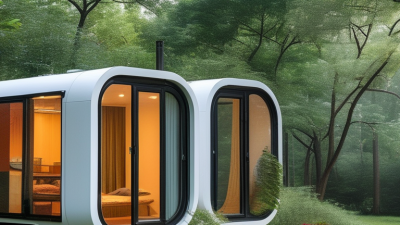
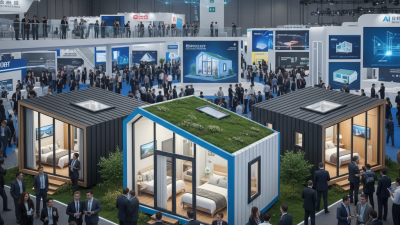
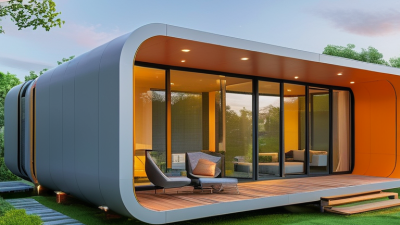
So, if you're thinking about picking out a Duplex Prefab for your project, there are a few really important things to keep in mind. These homes are pretty versatile—they can work as rental units, multi-gen homes, or just a sleek, modern living space. But here’s the thing: not all Duplex Prefab options are equally good, since quality can really vary from one manufacturer to another.
First off, understanding what you actually need is super helpful. Are you after eco-friendly materials? Quick setup? Or maybe a design that’s a bit more on the cutting edge? Take some time to research companies like Blu Homes or Modulus—those guys are quite established and their work shows that they know their stuff. And don’t forget to peek at customer reviews; they can give you some real insights into how reliable a company is and what your experience might be like.
And of course, keep your budget in mind. Sometimes, picking a prefab can come with hidden costs—things like transportation, installation, or extras you didn’t see coming. It’s worth doing a little homework to get the full picture before you commit. If you keep these points in mind, you’ll be in a much better spot to choose the right option and set your project up for success.
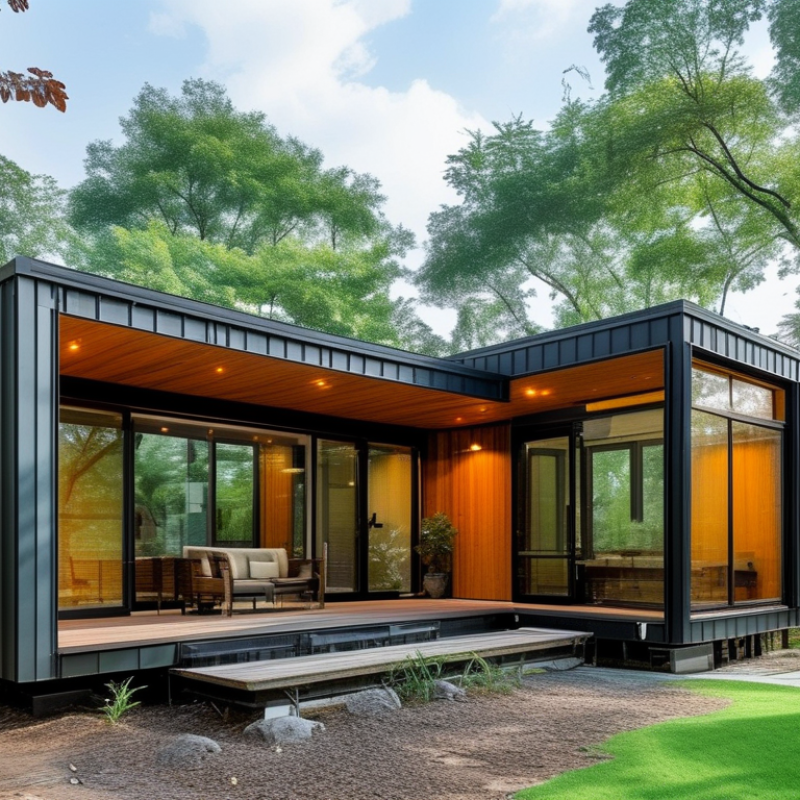
Understanding Duplex Prefabricated Homes
Duplex prefabricated homes are gaining popularity for their efficiency and design flexibility. These homes consist of two units, making them ideal for families or rental situations. Understanding the unique features of Duplex Prefab Homes can greatly influence your project outcomes.
One important aspect is the construction timeline. Prefabricated Homes often reduce building time significantly. Builders assemble units in a factory, minimizing delays from weather or site conditions. However, it’s crucial to ensure proper site preparation before assembly. Think about connections to utility services as well; this can complicate the process if not planned well.
Another consideration is energy efficiency. Many duplex designs incorporate sustainable materials and smart technology. These features may lower long-term costs. However, the initial investment can be higher than traditional builds. Reflect on your budget and long-term goals. It’s essential to research manufacturers and assess their reputation. Reliability varies, and some companies may not deliver on promises. Take the time to read reviews and ask questions to ensure your investment is sound.
Comparison of Popular Duplex Prefab Home Types
Key Factors to Consider in Duplex Prefab Selection
When choosing a Duplex Prefab for your project, several key factors come into play. The first consideration is the material used in construction. A report by the Building Research Establishment indicates that steel-framed structures are generally more durable and resistant to natural disasters compared to wooden frames. However, wooden structures can offer better thermal insulation and a lower initial investment.
Another important aspect is the design flexibility. Prefabricated systems often allow for customizations, enabling architects to implement unique designs tailored to client preferences. The National Institute of Standards and Technology highlights that modular construction can reduce waste by 20-30%, an advantage for eco-conscious developers. However, this flexibility can sometimes lead to delays if design changes are made too late in the manufacturing process.
Cost-effectiveness is crucial as well. Data from the Modular Building Institute shows that modular construction can reduce overall project costs by 10-20%. Nevertheless, buyers must be wary of hidden costs related to site preparation and transportation fees. Assessing the total cost of ownership can help mitigate financial surprises later in the project. Evaluating suppliers’ track records can also provide insights into their reliability and quality.
Evaluating Materials and Construction Quality
When evaluating materials for your Duplex Prefab project, consider the type of insulation used. Proper insulation is crucial for energy efficiency and comfort. Look for high-quality materials that meet industry standards. Different insulation types, like spray foam or fiberglass, come with varying performance levels. Their effectiveness impacts long-term costs and environmental impact, which deserves attention.
The construction quality is another vital aspect. Check if the prefab units are built using advanced technologies. Pay attention to the framing materials, as they play a significant role in durability. Steel frames typically offer superior longevity compared to wood. Inspecting for proper sealing and waterproofing helps prevent future problems. Flaws in these areas can lead to costly repairs and uncomfortable living conditions.
Reviewing certifications and industry reviews adds an extra layer of reliability. Look for projects that have garnered positive feedback. However, keep in mind that even the best materials can fail if not installed correctly. Engage with knowledgeable contractors who understand the complexities of prefab construction. Their experience can aid in making informed choices throughout the process.
Assessing Design Flexibility and Customization Options
Choosing the right Duplex Prefab requires understanding design flexibility and customization options. Recent reports indicate that over 70% of homebuyers prioritize adaptable living spaces. Customization can enhance comfort and functionality. It allows homeowners to integrate personal styles and needs into their projects.
Flexibility in design often includes options for room layouts and material choices. Some studies show that modular construction can reduce costs by 10-20% while providing versatile designs. This aspect is crucial for families needing space for growth or changing lifestyles.
However, it is essential to balance flexibility with structural integrity. Designers must work closely with builders to ensure that customizations do not compromise safety or aesthetics. Maintaining an open dialogue can help identify potential issues early. Thoughtful planning can lead to a successful project without overspending or sacrificing quality.
Comparing Costs and Budgeting for Your Duplex Project
When budgeting for a duplex prefab, understanding costs is crucial. According to industry data, the average cost per square foot for prefab homes ranges from $100 to $200. This can vary significantly based on local labor markets and material prices. It's essential to analyze your desired features and materials to get an accurate estimate. Adjustments in design, such as adding custom finishes, can increase costs substantially.
Additionally, setting a budget for permits, land preparation, and utility connections can help prevent unexpected expenses. A recent survey indicated that homeowners should allocate 15% of their total budget for these additional costs. Reviewing these aspects early can steer cost-effective decisions and ensure your project remains within financial limits.
A common pitfall is underestimating time and resources needed for completing a duplex. While prefabricated homes offer efficiency, managing schedules and contractors is still essential. Ensure to account for potential delays or price fluctuations in materials. Close attention to detail in your budgeting process may reveal gaps that need addressing.
Reviewing Builder Reputation and Customer Feedback
When selecting a duplex prefab, builder reputation and customer feedback are crucial. Start by researching online reviews. Many platforms offer insights into past client experiences. Look for consistent themes, both positive and negative. A builder with a solid reputation typically shows a pattern of satisfied customers.
Pay attention to detailed feedback. Specific comments about quality and service can be illuminating. Conversely, ignore generic reviews with little substance. They often lack reliability. A builder’s acknowledgment of their mistakes can be a positive sign. It reflects a willingness to improve.
Consider engaging with past clients directly. Ask them about their entire journey. Each conversation can reveal hidden concerns. This firsthand knowledge often uncovers essential, nuanced perspectives that online reviews might miss. Balancing all this information will give you a well-rounded view of the builder's capabilities.
Understanding Local Regulations and Zoning Requirements
When considering a duplex prefab project, understanding local regulations and zoning requirements is essential. These rules can vary significantly from one area to another. They often dictate design, height, density, and even set-back requirements. Therefore, it's crucial to check with local authorities before you begin your project.
Consulting with experts can provide valuable insights into these regulations. They can guide you through the nuances of local zoning laws. Additionally, attend community meetings to stay informed. Engage with neighbors, as they can offer perspectives on local concerns related to zoning.
Check if your personal plans align with community needs. Sometimes, a desired design may not fit local aesthetics or requirements. Make adjustments early on to minimize costs later. Reflect on how your project impacts local infrastructure, like traffic and utilities. Being aware of these aspects can prevent future headaches and enhance community relations. Consider how your duplex prefab can be a positive addition to the neighborhood.
FAQS
: Material plays a crucial role. Steel frames are more durable, while wood offers better insulation.
Custom designs are possible, but late changes can cause delays. Flexibility can lead to challenges.
Modular construction reduces waste by 20-30%. It's a benefit for eco-conscious developers.
While average costs range from $100 to $200 per square foot, customization can increase expenses significantly.
Homeowners should set aside 15% of their budget for permits, land preparation, and utility connections.
Hidden costs like site preparation and transport fees can lead to surprises. Total ownership cost assessments are vital.
Prefabs offer efficiency, but planning for delays and managing contractors is still needed.
Many underestimate the resources and time required to complete the project. It can lead to issues.
Paying close attention may reveal overlooked gaps, helping keep the project on track financially.
Assessing suppliers’ reliability and quality can prevent future issues and ensure project success.
Conclusion
When selecting the best Duplex Prefab for your project, it's crucial to understand the various aspects involved in the decision-making process. Begin by familiarizing yourself with duplex prefabricated homes and the key factors influencing their selection. Evaluate the materials and construction quality to ensure durability and longevity, while also considering design flexibility and customization options to cater to your specific needs.
Budgeting for your duplex project is equally important; compare costs effectively to stay within financial constraints. Don’t overlook the significance of reviewing builder reputation and customer feedback, as this can provide insights into their reliability and quality of service. Finally, ensure that you understand local regulations and zoning requirements, as these factors can impact the feasibility of your Duplex Prefab project. By taking these steps, you'll be better equipped to make an informed choice that aligns with your goals.