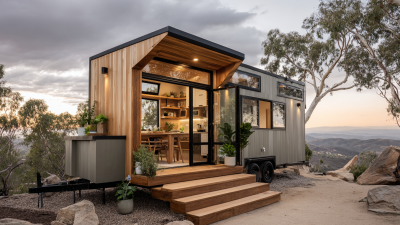
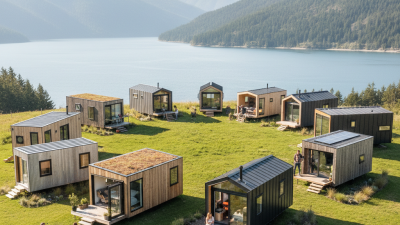
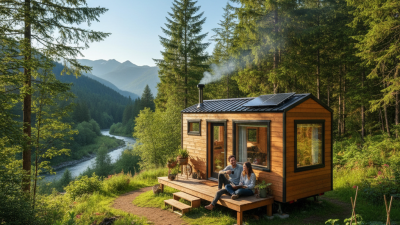
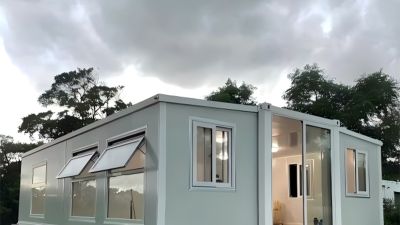
Lately, the whole minimalism vibe has really put the spotlight on the Two Bedroom Tiny House concept. It's catching the eye of both buyers and designers alike. I mean, John Smith from Tiny Living Inc., who’s pretty much an expert in tiny house design, says, “A two-bedroom setup usually hits that sweet spot between feeling comfy and being practical.” That practicality is what’s making it so appealing to folks around the world who want a cozy, functional space without all the unnecessary extras.
These Tiny Homes are actually a game-changer for both families and singles. They make the most out of every inch, with clever storage solutions and furniture that can do double duty. Living in such a compact space often encourages folks to embrace a simpler lifestyle and even foster a bit of community spirit, rather than obsessing over material things. But hey, it’s not all sunshine—people should think about the limitations, like how much space they actually need.
And, of course, jumping into the tiny house scene isn’t without its hurdles. Things like zoning laws and financing can be tricky to navigate. Even if lots of people dream about owning a Two Bedroom Tiny House, it’s important to really think about what suits your lifestyle and budget. Finding that balance between what you want and what’s realistically doable takes some careful planning, for sure.
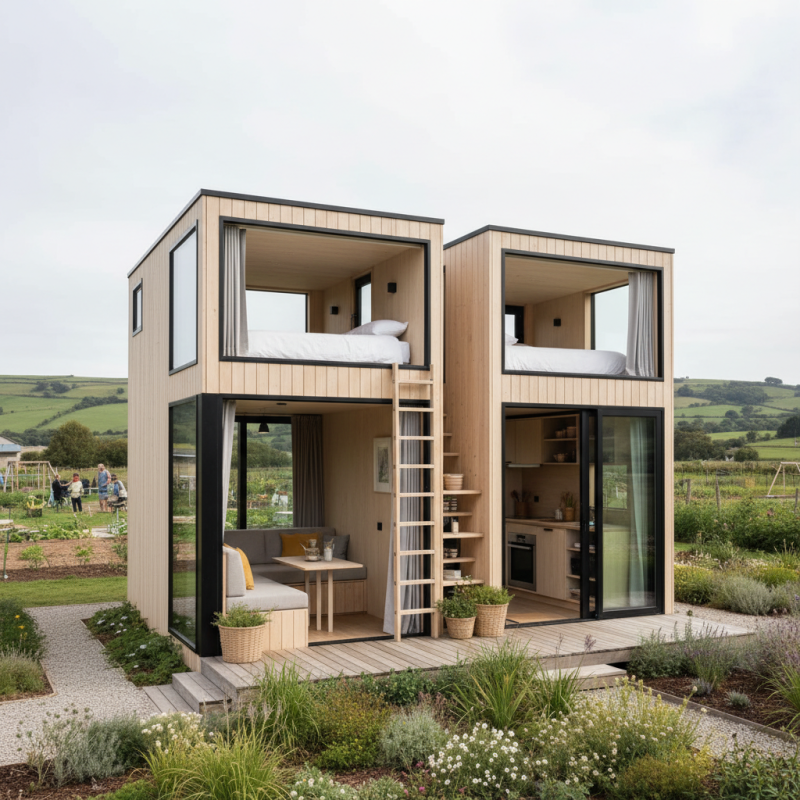
Overview of Tiny House Concept in China
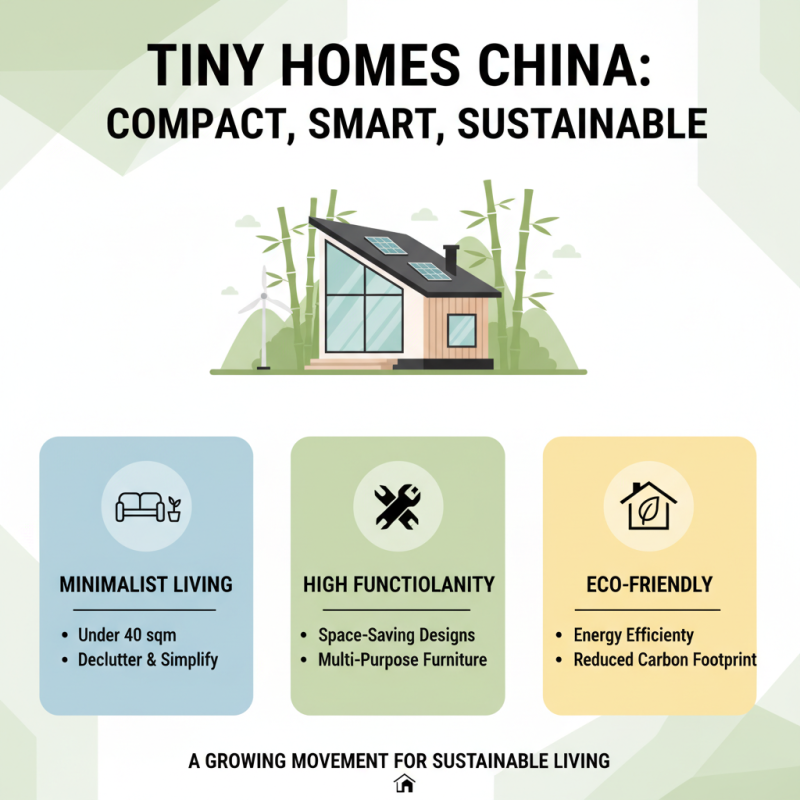
The Tiny House Movement in China is gaining traction. Many buyers are drawn to compact living concepts. These homes, often under 40 square meters, offer unique designs and high functionality. They cater to a growing desire for minimalism and sustainability. Buyers appreciate the potential for energy efficiency and reduced carbon footprints.
Chinese Tiny Houses emphasize clever storage solutions. Multi-purpose furniture is a common feature. This reflects the innovative spirit of Chinese architecture. Each square meter is utilized, blending style with practicality. However, challenges exist. Urban regulations can hinder tiny home placements. Prospective buyers might face zoning laws that complicate ownership.
Simplicity has its drawbacks. Living in small spaces can feel restrictive. Privacy may also be a concern for families. Potential homeowners need to consider these aspects carefully. Balancing space efficiency with comfort requires thoughtful design. As the tiny house trend evolves in China, it presents both opportunities and challenges for global buyers.
Key Characteristics of Two Bedroom Tiny Houses
Two-bedroom Tiny Houses offer unique characteristics that appeal to global buyers. These homes prioritize functionality and design. Space-saving furniture, such as foldable tables and wall beds, plays a major role. Multifunctional spaces allow families to utilize every square foot efficiently. This approach encourages a minimalist lifestyle, reducing clutter and enhancing comfort.
Natural light is essential in tiny house designs. Large windows and skylights create an open feel, making spaces appear larger. Sustainable materials are often chosen for construction. Wood and recycled materials contribute to the aesthetic and environmental goals. However, achieving a balance between style and functionality can be challenging. Designers must consider how to maximize every inch without compromising beauty.
A potential drawback is storage. Tiny Houses often struggle with adequate storage solutions. Creative approaches, like under-stair compartments and built-in cabinets, are crucial. Buyers need to adapt to a lifestyle that embraces simplicity. Some may find the limitations difficult to manage. Yet, many enjoy the freedom that comes from downsizing and living with less. Overall, the appeal of two-bedroom Tiny Houses lies in their innovative designs and the potential for a more sustainable life.
China Top Two Bedroom Tiny House Designs for Global Buyers
| Design Style | Square Footage | Key Features | Price Range (USD) | Sustainability Features |
| Modern Minimalist | 400 - 600 sq. ft. | Open floor plan, large windows, multifunctional furniture | $30,000 - $50,000 | Solar panels, energy-efficient appliances |
| Rustic Cabin | 500 - 700 sq. ft. | Wooden finishes, cozy fireplace, open loft | $40,000 - $70,000 | Recycled materials, water-saving fixtures |
| Industrial Chic | 600 - 800 sq. ft. | Exposed beams, polished concrete, spacious kitchen | $50,000 - $90,000 | Green roofing, high-efficiency insulation |
| Contemporary Eco | 400 - 650 sq. ft. | Smart home technology, open living space | $60,000 - $80,000 | Rainwater harvesting, low-VOC finishes |
Popular Design Trends in Chinese Tiny Houses
In recent years, China's tiny house market has burgeoned, drawing interest from global buyers. One prominent trend is the Two Bedroom Tiny Homelayout. This design caters to couples, small families, or even remote workers. According to industry reports, the Tiny House Movement gained traction as potential homeowners seek affordability and simplicity.
Minimalist aesthetics dominate the design trends in Chinese Tiny Houses. Natural materials are frequently used, prioritizing sustainability. Open floor plans enhance the feeling of space. Incorporating smart home technology is increasingly common, allowing space optimization. These features not only appeal to buyers but also reflect a shift towards efficient living.
Tips: Consider how multi-functional furniture maximizes limited space in a Two Bedroom Tiny Home. Investing in higher ceilings can also create a more expansive atmosphere. Reflect on personal needs and prioritize design elements that foster comfort and functionality. As preferences evolve, so too must the designs of these innovative dwellings. Investing in a tiny home can be invigorating but requires careful consideration of long-term suitability.
Sustainability Features of Tiny House Designs
Tiny house designs are gaining traction globally, especially among buyers looking for sustainable living options. The essence of these homes lies in their eco-friendly features. They often utilize solar panels to harness renewable energy. This reduces reliance on conventional electricity sources. Small footprints mean less land is used. This is a step toward sustainable development.
Many two-bedroom Modular Homes incorporate recycled materials in their construction. This reduces waste and minimizes the carbon footprint. Well-designed insulation helps maintain a comfortable temperature year-round. Water-saving fixtures are often standard, conserving essential resources. However, with smaller spaces, storage can become an issue. Buyers must carefully consider their belongings.
Living in a two-bedroom tiny house isn’t just about downsizing; it's a lifestyle change. It challenges the norm of consumption and promotes mindful living. The simplicity can be refreshing, but it also requires adaptation. Making space for comfort and functionality in a limited area can lead to creative solutions. Reflecting on one’s needs becomes crucial, ensuring a balance between minimalism and comfort.
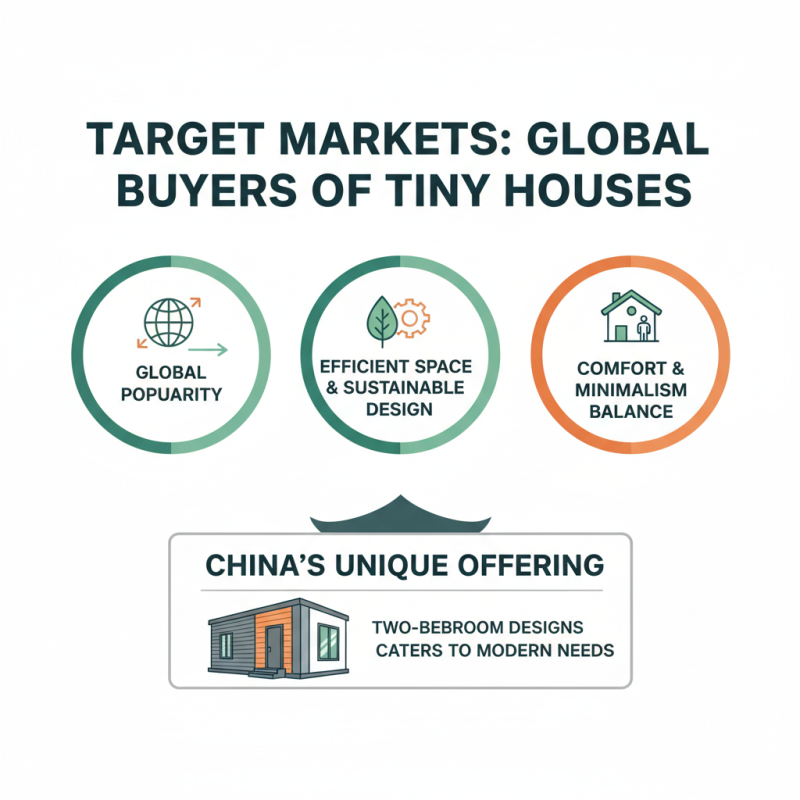
Target Markets: Global Buyers of Tiny Houses
Tiny houses are becoming increasingly popular with global buyers. The appeal lies in their efficient use of space and sustainable design. Many potential owners are looking for a balance between comfort and minimalism. China offers unique two-bedroom tiny house designs that cater to these needs.
One design emphasizes natural light. Large windows enhance the feeling of space. Another design focuses on multi-functional furniture. Foldable beds and expandable tables provide versatility. Buyers can enjoy the benefits of contemporary living without sacrificing functionality.
Tips for potential owners: consider your lifestyle. Think about how much space you truly need. A tiny house may seem small at first, but smart storage and layout choices can maximize your comfort. Reflect on your priorities regarding sustainability and mobility. A well-designed tiny house can offer a rewarding living experience, but it requires careful planning. Make a list of must-have features before committing to a design.
Comparative Analysis of Chinese Designs with Global Trends
In the realm of tiny house designs, China showcases innovative two-bedroom layouts that catch global interest. The compact space is efficiently utilized, emphasizing functionality. Chinese designs often incorporate traditional aesthetics, blending modern ideals with cultural elements. These homes are ingeniously structured, with multifunctional furniture making living efficient. Yet, buyers may face challenges in customizing for diverse lifestyles and needs.
When comparing these designs to global trends, a distinct contrast emerges. In Western countries, tiny houses emphasize sustainability and eco-friendly materials. Homeowners seek structures that harmonize with nature. However, Chinese designs sometimes prioritize aesthetic appeal over ecological considerations. The Two Story Mobile Home trend reflects this shift, offering mobility and flexibility. Yet, it leads to questions regarding practicality and comfort. Will the emphasis on style compromise the space needed for modern living?
Ultimately, while Chinese tiny homes provide an exciting alternative, they require careful consideration. Buyers must reflect on their priorities when selecting features. Balancing tradition with practicality remains a challenge. This exploration shows that tiny living is not just about size, but also about the lifestyle it supports.
Comparative Analysis of Tiny House Designs
This chart illustrates the popularity index of two leading tiny house designs from China compared to global trends. The ratings (1-100) reflect consumer preferences and market reception, providing insight into design appeal on an international scale.
Case Studies of Successful Tiny House Implementations in China
In recent years, China has become a hub for tiny house innovations. Many successful cases showcase unique designs that cater to global buyers. The charm of two-bedroom tiny homes lies in their efficient use of space. One notable example features a layout that optimizes natural light and ventilation. The modular design allows for customization, accommodating various lifestyles.
Tips for potential buyers: consider the layout carefully. A well-thought-out arrangement can enhance your living experience. Pay attention to the insulation; proper thermal management is crucial for comfort. Another vital factor is the materials used in construction. Sustainable options not only reduce environmental impact but also improve durability.
Though these designs have gained popularity, not all implementations are perfect. Some homeowners report challenges with functionality in a small space. For instance, storage solutions often require creative thinking. Two Story Prefab Homes can address this issue effectively. They allow for additional storage and living areas, making them an appealing choice for families. Balancing aesthetics and practicality remains key for successful tiny house living.
Maximize Your Living Space: Innovative Features of the 40ft Double-Wing Expandable House
In today's fast-changing world, maximizing living space through innovative design has become crucial. The 40ft Double-Wing Expandable House stands out as a prime example of flexibility and efficient space utilization. With its unique expandable feature, it transcends the limitations of traditional construction, combining the portability of standard shipping containers with spacious living areas. When closed, it adheres to the specifications of a standard 40ft container, seamlessly integrating into the global logistics and transportation infrastructure.
This design innovation addresses the growing demand for adaptable housing solutions in urban areas, where space is often at a premium. According to industry reports, the modular construction market is projected to reach $157 billion by 2023, driven by the increasing need for sustainable and efficient building methods. The 40ft Double-Wing Expandable House not only meets these demands but does so in a manner that reduces transportation complexities and costs. Whether being shipped internationally or relocated locally, its design allows for easy movement, whether by cargo ship, truck, or crane.
Moreover, the ability to expand living space quickly provides an effective solution for temporary housing, disaster relief, or as a flexible office space. Experts suggest that as more consumers prioritize adaptability in their living environments, products like the 40ft Double-Wing Expandable House will play a pivotal role in shaping the future of residential and commercial spaces. By embracing such innovative approaches, we can better meet the challenges of modern living.
FAQS
: The Two Bedroom Tiny Home layout attracts couples, small families, and remote workers.
They prioritize sustainability and create a sense of spaciousness, which is crucial for small living spaces.
It optimizes space and enhances living efficiency, appealing to modern buyers.
Use multi-functional furniture and consider investing in higher ceilings for a more open atmosphere.
Consider your lifestyle, space needs, and how prioritizing sustainability impacts your choice.
They enhance natural light and promote a feeling of spaciousness within smaller homes.
They offer efficiency but may not meet everyone's comfort or space needs; careful consideration is vital.
Understanding your needs helps prioritize essential design elements that ensure comfort and functionality.
A clear list helps guide your choices, ensuring you select a design that meets your long-term living needs.
Space constraints can be tricky; thoughtful planning is necessary to maintain comfort and functionality.
Conclusion
The article explores the emerging trend of Two Bedroom Tiny Houses in China, emphasizing their appeal to global buyers. It provides an overview of the tiny house concept, highlighting key characteristics such as efficient use of space, innovative design, and sustainability features. The discussion delves into popular design trends that reflect contemporary aesthetics while maintaining functionality.
Moreover, the article analyzes target markets for these tiny houses, suggesting a growing interest among international customers seeking sustainable living options. A comparative analysis with global trends showcases how Chinese designs not only meet local needs but also resonate with broader international preferences. Case studies of successful tiny house implementations in China demonstrate the potential for these compact homes to thrive in various environments, making them an attractive choice for both domestic and global buyers.